
How Long Does a Knee Replacement Last? (Lifespan and Expected Durability)
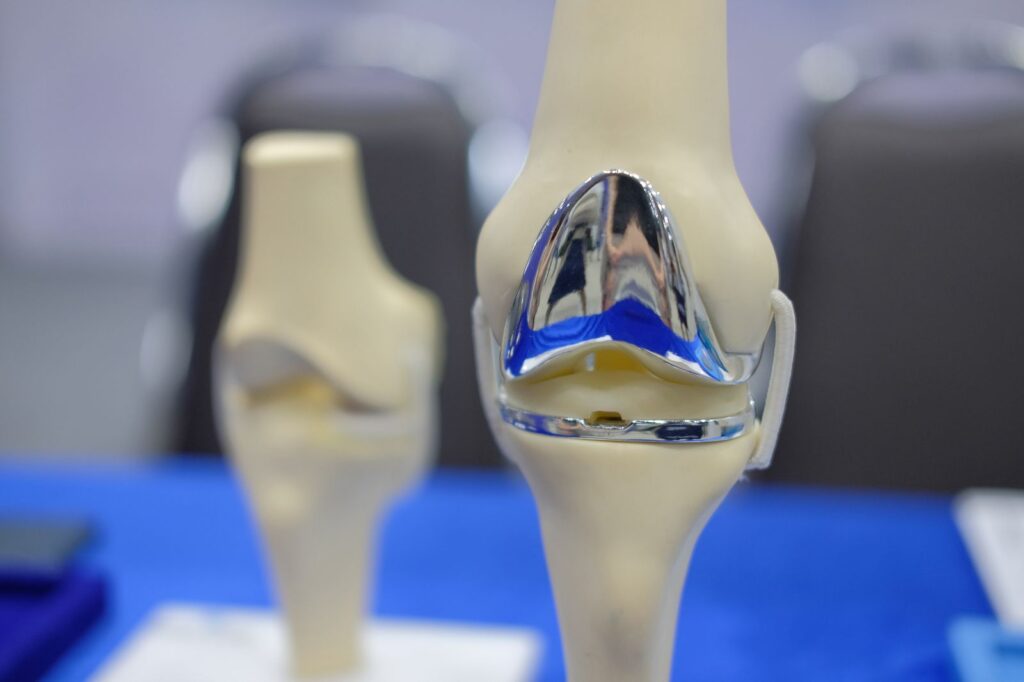
Total Knee Replacement (TKR) is considered one of the most successful procedures in Orthopedic Surgery. It is primarily performed to treat advanced knee osteoarthritis that causes significant pain, stiffness, and limitation of movement.
One of the most common questions patients ask is: How long does a knee replacement last? In other words, what is the expected knee replacement lifespan, and how long can the artificial knee joint continue to function effectively?
What Is a Knee Replacement?
A knee replacement is an advanced orthopedic implant system used to replace the damaged or worn surfaces of the knee joint. It is carefully designed to mimic the function and movement of a natural knee joint.
The artificial knee joint is made of highly durable medical-grade metal and polyethylene components, which are securely fixed to the bone to provide stability and smooth joint movement.
The goal of Total Knee Replacement surgery is to significantly reduce pain, improve walking and mobility, and restore daily function and quality of life for patients suffering from advanced knee arthritis.
How Long Does a Knee Replacement Last?
In most cases, a knee replacement lasts between 15 and 20 years, and in many patients it may continue to function effectively for an even longer period depending on several factors.
With ongoing advances in implant materials, surgical techniques, and modern knee replacement technology, the long-term durability and performance of artificial knee joints have significantly improved compared to previous generations.
Factors That Affect the Lifespan of a Knee Replacement:
Excess body weight, which increases stress on the artificial joint
Level of physical activity
Bone quality and the condition of the joint before surgery
The type and quality of the knee implant used
Patient adherence to post-operative instructions and rehabilitation
Can a Knee Replacement Need Revision Surgery?
Yes, in some cases a knee replacement may require revision surgery after many years, particularly if there is wear, loosening, or mechanical failure of the implant components.
However, in the majority of patients, the knee replacement continues to function well for many years without the need for further surgical intervention, providing long-term pain relief and improved mobility.
Conclusion
Knee replacement is one of the most successful surgical solutions for advanced knee osteoarthritis. The implant typically lasts between 15 and 20 years or longer.
The long-term success of the procedure depends on several key factors, including the surgeon’s expertise, the type of implant used, and the patient’s adherence to post-operative care and rehabilitation guidelines.
Do You Need a Consultation?
If you are experiencing knee pain or considering knee replacement surgery, you can contact us or book an appointment for a comprehensive evaluation and personalized treatment plan.
Dr. Ehab Al-Aqrabawi will assess your condition and provide the most appropriate medical recommendation, including the optimal timing for surgery based on your age, symptoms, and the severity of joint degeneration.